91±¬ÁÏ

Updated
|
How to Apply to 91±¬ÁÏ: 2026 Guide
Learn how to apply to boarding school in 2026 with deadlines, testing updates, interviews, and financial aid tips for families.

Understanding how to apply to boarding school can feel overwhelming at first. Admissions timelines are earlier than many families expect, application components are detailed, and schools evaluate students holistically.

In 2026, boarding school admissions remain competitive, particularly at highly selective institutions. At the same time, many schools are expanding access, increasing financial aid budgets, and refining testing policies to reflect a broader view of student potential.

This updated guide walks families through every stage of how to apply to boarding school, from researching schools to submitting financial aid forms and preparing for interviews.

Step 1: Research Schools Carefully

The process of how to apply to boarding school begins with identifying schools that align with your child’s academic strengths, interests, and personality.

Families should consider:

  • Academic rigor and course offerings

  • Arts, athletics, and extracurricular programs

  • School size and student-teacher ratio

  • Location and campus culture

  • Boarding options, including five-day or seven-day programs

  • College placement outcomes

  • Financial aid availability

You can begin exploring options through our searchable directory on BoardingSchoolReview.com, including guides on topics such as How to Choose a 91±¬ÁÏ and regional overviews.

Attend Virtual and In-Person Events

Post-pandemic changes have permanently expanded access to virtual admissions events. In 2026, most schools offer:
. . .read more

How 91±¬ÁÏs Are Adapting to Climate Change

Updated
|
How 91±¬ÁÏs Are Adapting to Climate Change
How 91±¬ÁÏs Are Adapting to Climate Change: Resilient campuses, emergency planning, and 2026 sustainability strategies.

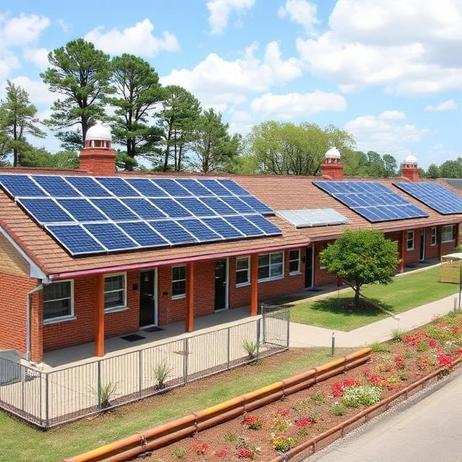
How 91±¬ÁÏs Are Adapting to Climate Change: Resilient Campuses & Emergency Planning is no longer a forward-looking conversation. It is an operational priority. From wildfire smoke in the West to hurricanes in the Southeast and flooding across New England, boarding schools must protect students who live on campus year-round. Unlike day schools, they function as small municipalities, responsible not only for academic continuity but also housing, dining, health services, and emergency response.

In 2026, climate resilience is as essential to a boarding school’s long-term strategy as academic excellence or college placement. Parents increasingly ask how campuses are preparing for extreme weather, managing energy costs, and safeguarding student health. Schools are responding with infrastructure upgrades, sophisticated emergency planning, and sustainability initiatives that double as educational opportunities.

Why Climate Adaptation Matters More at 91±¬ÁÏs

Boarding schools face unique exposure to climate-related risks:

  • Residential dormitories operate 24/7.

  • Students often travel internationally and may not be able to evacuate quickly.

  • Large campuses include historic buildings that may be vulnerable to flooding or heat stress.

  • Remote or rural locations can complicate emergency response.

According to the, the United States has experienced a sustained increase in billion-dollar weather disasters over the past decade. For schools with 300 to 800 students living on campus, preparedness is not optional. It is

. . .read more

91±¬ÁÏ Summer Programs: Academic vs. Extras

Updated
|
91±¬ÁÏ Summer Programs: Academic vs. Extras
A 2026 guide to boarding school summer programs, comparing academic enrichment with costly extras to help families invest wisely.

Each year, thousands of students enroll in boarding school summer programs hoping to gain academic momentum, explore new interests, or experience life on a residential campus. Yet as tuition for summer sessions continues to rise in 2026, families are asking an important question: Are these programs delivering genuine academic enrichment, or are they expensive add-ons with limited long-term value?

This guide to 91±¬ÁÏ Summer Programs: Academic Enrichment vs. Costly Extras breaks down what families need to know, how to evaluate program quality, and how to determine whether the investment aligns with your child’s educational goals.

The Growing Popularity of 91±¬ÁÏ Summer Programs

Summer offerings at boarding schools have evolved significantly over the past decade. What once centered primarily on enrichment camps now includes:

  • Intensive STEM research academies

  • Writing and humanities institutes

  • Global leadership seminars

  • College readiness boot camps

  • Arts conservatories

  • Competitive athletics training

According to national enrollment data from the, families are increasingly seeking structured summer learning opportunities to combat academic regression and enhance college readiness. While NCES tracks K-12 trends broadly, boarding schools report steady growth in summer participation, especially in competitive academic fields such as coding, engineering, and biomedical research.

In 2026, many boarding schools have expanded their summer footprints,

. . .read more

Supporting First-Generation Students in 91±¬ÁÏs

Updated
|
Supporting First-Generation Students in 91±¬ÁÏs
A 2026 guide to supporting first-generation students in boarding schools, with strategies for access, retention, and family engagement.

Supporting First-Generation Students in 91±¬ÁÏs

Independent boarding schools have long served students seeking rigorous academics, leadership development, and college preparation. Increasingly, they are also welcoming a growing population of first-generation students, those whose parents did not complete a four-year college degree.

Supporting First-Generation Students in 91±¬ÁÏs is both an equity imperative and a strategic opportunity. When schools intentionally support these students, they strengthen campus culture, expand access, and fulfill their mission of transformative education.

As of 2026, more boarding schools are formalizing programs for first-generation and first-generation-to-college students, reflecting broader national trends in higher education access. According to the, first-generation students continue to represent a significant portion of the U.S. student population. Independent schools that invest early in support systems position these students, and their institutions, for long-term success.

This article explores why first-generation students choose boarding schools, the unique challenges they may encounter, and practical strategies for schools and families committed to meaningful support.

Who Are First-Generation Students?

A first-generation student is typically defined as a student whose parents or guardians did not complete a four-year college degree. In the boarding school context, this definition often intersects with:

  • Students from lower-income households

  • Students receiving significant financial aid

  • Students from underrepresented racial or ethnic backgrounds

  • International students whose parents

. . .read more

Boarding Life for Student Athletes in 2026

Updated
|
Boarding Life for Student Athletes in 2026
Explore how boarding schools help student athletes balance academics and competitive sports in 2026 with structure, support, and recruiting guidance.

Boarding Life for Student Athletes: Balancing Academics and Competitive Sports

For families considering a boarding school education, athletics often plays a central role in the decision-making process. Competitive sports can open doors to college admissions, scholarships, leadership development, and lifelong discipline. At the same time, parents want reassurance that academics remain the top priority.

In 2026, boarding schools across the country have refined their approach to supporting high-performing athletes while safeguarding rigorous academic standards. The result is a model uniquely suited to student athletes who aspire to compete at elite levels without compromising intellectual growth.

This article explores how Boarding Life for Student Athletes: Balancing Academics and Competitive Sports works in practice, what distinguishes boarding schools from day schools, and how families can determine whether this pathway is the right fit.

The Unique Advantage of the 91±¬ÁÏ Structure

Boarding schools are intentionally structured environments. Unlike day schools, where students commute home and juggle outside commitments, boarding schools integrate academics, athletics, residential life, and advising into a cohesive system.

A typical weekday for a boarding student athlete may look like this:

  • 8:00 a.m. to 3:00 p.m.: Classes

  • 3:30 p.m. to 5:30 p.m.: Practice or competition

  • 6:00 p.m.: Dinner with peers and faculty

  • 7:00 p.m. to 9:00 p.m.: Supervised study hall

  • Evening: Dorm meetings, team check-ins, or

. . .read more

Recent Articles

What Happens During School Breaks for Boarding Students Who Stay on Campus
Learn what happens during school breaks for boarding students who remain on campus, including housing, meals, activities, supervision, and support services.
A Day in the Life of a Dorm Parent: Inside Residential Faculty Life
A day in the life of a dorm parent: how residential faculty support, mentor, supervise, and guide students while building community and shaping the boarding school experience.
How 91±¬ÁÏs Assign Dorms, Advisors & Schedules
Learn how boarding schools assign dorm rooms, faculty advisors, and class schedules, and what families should expect before move-in day.

Article Categories