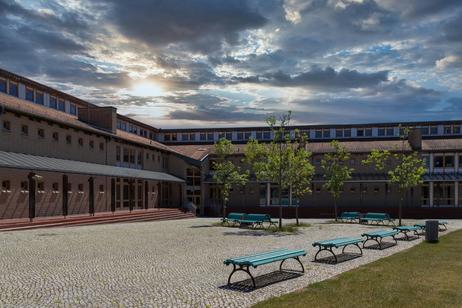
When people think about boarding school, they often assume that every student heads home when classes pause for holidays or vacation periods. In reality, many boarding students remain on campus during school breaks.
International students, students whose families live far away, athletes, and students with travel limitations may stay at school during certain breaks throughout the year. To support these students, boarding schools typically maintain housing, dining services, supervision, and activities even when regular classes are not in session.
Understanding what happens during school breaks can help families feel more confident about residential life. According to the , strong residential programs provide support and community experiences that extend beyond the traditional academic day.
Which School Breaks Allow Students to Stay on Campus?
Not every break follows the same policies.
Most boarding schools establish specific guidelines regarding when students may remain on campus and when they are expected to leave.
Common Break Policies
Break periods often include:
- Long weekends
- Fall breaks
- Thanksgiving recess
- Winter holidays
- Spring break
- Exam periods
Schools typically communicate these policies well in advance so families can make appropriate travel arrangements.
International Students Often Stay
Many international students remain on campus during at least some school breaks due to travel costs, visa considerations, or geographic distance.
Residential programs are often designed with these students in mind. Schools may offer additional programming and support services to ensure students staying on campus continue to feel connected and engaged.
Families interested in learning more about residential