91±¬ÁÏ

School Life

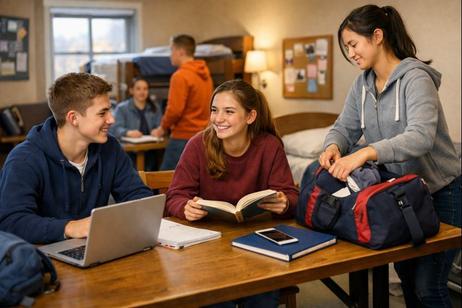
For boarding school students, the campus is home. Explore dormitory living, get expert advice on learning and living away from home and learn more about what can be done to help your child transition to and succeed in boarding school.

View the most popular articles in School Life:

AI in 91±¬ÁÏs: ChatGPT Use and School Policies

Updated
|
AI in 91±¬ÁÏs: ChatGPT Use and School Policies
How students use ChatGPT at boarding schools and what policies schools allow in 2026. A guide for parents and educators navigating AI in education.

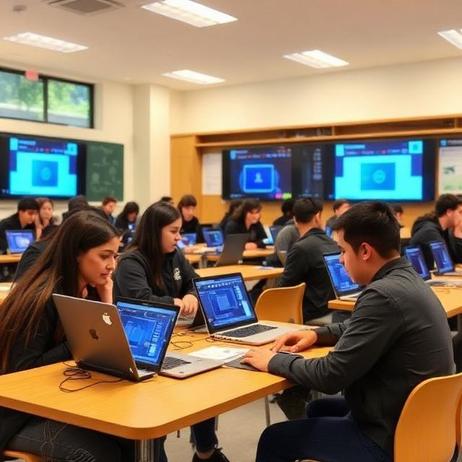
Artificial intelligence is rapidly transforming education, and boarding schools are at the center of the conversation. As generative AI tools like ChatGPT become common study aids, educators are navigating a complex question: how should schools balance innovation with academic integrity?

For families exploring residential education, understanding AI in 91±¬ÁÏs: How Students Are Using ChatGPT and What Schools Allow has become increasingly important. From supervised AI use in research to strict guidelines for essays and exams, boarding schools across the United States are developing thoughtful policies that reflect both opportunity and caution.

This article examines how students are using AI, what most schools allow, and how boarding schools are shaping responsible use in 2026.

Why AI Is Becoming Common in 91±¬ÁÏs

Boarding schools often adopt emerging educational technologies earlier than many other institutions. Their immersive academic environments, smaller class sizes, and close faculty mentorship allow schools to experiment with new tools while maintaining strong oversight.

Generative AI tools like ChatGPT can assist students in several ways:

  • Brainstorming essay topics
  • Clarifying complex academic concepts
  • Summarizing research materials
  • Practicing foreign language conversations
  • Generating study guides or quiz questions

According to the National Center for Education Statistics, artificial intelligence and digital learning tools are becoming increasingly integrated into secondary education programs nationwide ().

For boarding schools, where students live and study on campus, faculty members can observe how AI tools affect learning in real time.

How 91±¬ÁÏ Students Are Using ChatGPT

In practice, most boarding school

. . .read more

91±¬ÁÏ Mental Wellness After COVID: Best Practices

Updated
|
91±¬ÁÏ Mental Wellness After COVID: Best Practices
How boarding schools are advancing mental wellness post-pandemic through innovation, prevention, and student-centered best practices in 2026.

91±¬ÁÏ Mental Wellness Post-Pandemic: Innovations & Best Practices

The conversation around student well-being has permanently shifted. In 2026, 91±¬ÁÏ Mental Wellness Post-Pandemic: Innovations & Best Practices is no longer a niche topic but a defining measure of institutional quality. Families evaluating boarding schools are asking deeper questions about mental health infrastructure, prevention models, crisis response, and long-term resilience. Educators are responding with new systems that go far beyond what existed before 2020.

This article examines how 91±¬ÁÏ Mental Wellness Post-Pandemic: Innovations & Best Practices have evolved, what leading schools are doing differently, and which approaches are proving most effective for today’s students.

Why Mental Wellness Looks Different After the Pandemic

The pandemic accelerated mental health challenges among adolescents, including anxiety, depression, social disconnection, and academic burnout. According to the, rates of persistent feelings of sadness and hopelessness among teens rose sharply during and after COVID-19.

For boarding schools, where students live and learn on campus, these challenges were especially visible. As a result, 91±¬ÁÏ Mental Wellness Post-Pandemic: Innovations & Best Practices now emphasize proactive care rather than reactive intervention.

Key shifts include:

  • Treating mental wellness as a campus-wide responsibility

  • Embedding prevention into daily routines and residential life

  • Normalizing mental health conversations among students and faculty

Expanded Counseling Models on Boarding Campuses

. . .read more

Hybrid Boarding Models Explained for 2026

Updated
|
Hybrid Boarding Models Explained for 2026
Explore hybrid boarding models, including weekday-only, flex boarding, and modular residency, with 2026 insights for families.

Hybrid Boarding Models: Weekday-Only, Flex Boarding & Modular Residency

Boarding schools have long been associated with full-time residential life, Sunday night arrivals, and weekend traditions that span generations. In 2026, that image is evolving. A growing number of schools are adopting hybrid boarding models that combine the academic intensity and community benefits of boarding with the flexibility modern families expect.

Hybrid boarding models, including weekday-only boarding, flex boarding, and modular residency, are reshaping access to boarding education. These options reflect shifting family structures, expanded commuter populations, global mobility, and a renewed focus on student well-being. For many families, hybrid boarding models now offer a compelling middle ground between traditional boarding and day school enrollment.

This article examines how hybrid boarding models work, why schools are expanding these offerings, and what parents and students should consider when evaluating weekday-only boarding, flex boarding, and modular residency programs.

Why Hybrid Boarding Models Are Expanding in 2026

Several converging trends are driving the rise of hybrid boarding models.

First, families are seeking greater customization. Parents increasingly want educational options that align with work schedules, travel demands, and shared custody arrangements. Hybrid boarding models allow families to access boarding resources without committing to seven-day residency.

Second, schools are responding to enrollment diversification. According to the Association of 91±¬ÁÏs (TABS), interest in nontraditional boarding options has grown steadily since the pandemic, particularly among domestic students living within one to three hours of campus. Hybrid boarding

. . .read more

How 91±¬ÁÏs Use Data Analytics to Support Student Success

Updated
|
How 91±¬ÁÏs Use Data Analytics to Support Student Success
Explore how boarding schools leverage data analytics to improve student success through early interventions, personalized learning, and strategic decisions.

How 91±¬ÁÏs Are Using Data Analytics to Support Student Success

In 2026, data analytics in education has moved far beyond administrative reporting and now plays a central role in supporting student success at boarding schools around the world. From early warning systems that identify struggling learners to dashboards that help educators tailor instruction, boarding schools are embracing data-driven strategies to improve academic outcomes, enhance student engagement, and support whole-student development.

This long-form article explores how boarding schools use data analytics to support student success, what tools and strategies they employ, and how these innovations align with broader educational trends.

What Is Data Analytics in 91±¬ÁÏ Education?

At its core, data analytics in boarding schools involves collecting, processing, and analyzing information to help educators make informed, evidence-based decisions. Unlike traditional grade books or attendance logs, modern analytics platforms integrate multiple data sources — including academic performance, attendance, behavior records, engagement metrics, and even social-emotional indicators — to uncover trends and insights that might otherwise go unnoticed.

These analytics fall into several categories:

  • Descriptive Analytics: What has happened? (e.g., attendance patterns, test performance)

  • Diagnostic Analytics: Why did it happen? (e.g., correlating behavior with academic dips)

  • Predictive Analytics: What is likely to happen? (early identification of at-risk students)

  • Prescriptive Analytics: What should educators do? (recommend targeted interventions)

Across education sectors, this approach has been

. . .read more

Balancing Boarding Life

Updated
|
Balancing Boarding Life
A clear, practical guide to balancing boarding life and independence, offering transition tips for students and families in 2025.

Balancing Boarding Life and Independence: Transition Tips for Students

Balancing boarding life and independence is one of the most meaningful developmental steps a young person can take. The transition introduces students to a structured residential community that encourages responsibility, self-management, and personal growth. At the same time, it requires learning new routines, navigating social and academic expectations, and developing confidence away from home.

This guide examines how students can approach balancing boarding life and independence with clarity and resilience. It incorporates updates relevant to 2025, insights from educators, and strategies that help families prepare for the move.

Throughout this article, the phrase boarding life and independence is used regularly to reflect a central theme for students entering residential school environments.

Understanding the Transition to Boarding Environments

Moving into a residential community represents a significant shift from day-to-day home routines. Students stepping into boarding life and independence often encounter new expectations around time management, study habits, and social interactions. The transition can be exciting, but it may also bring uncertainty.

Boarding schools emphasize community responsibility, academic rigor, and personal accountability. Parents and students can explore the structure of boarding programs in more detail through resources offered onBoardingSchoolReview, which outlines what students can expect in their first year.

Key elements of the transition include:

  • Learning to manage schedules without parental reminders

  • Navigating shared living spaces

  • Establishing healthy sleep

. . .read more

Recent Articles

91±¬ÁÏ Interview Tips: 2026 Student Guide
Learn top boarding school interview tips for 2026. Expert advice for students and parents to prepare, impress, and succeed.
International Students at 91±¬ÁÏs: 2026 Guide
Explore how international students thrive at U.S. boarding schools, with 2026 insights on admissions, support, and benefits.
Mental Health Support in 91±¬ÁÏs: Key Questions
Learn what to ask about mental health support in boarding schools before enrolling your child. A practical 2026 guide for parents.