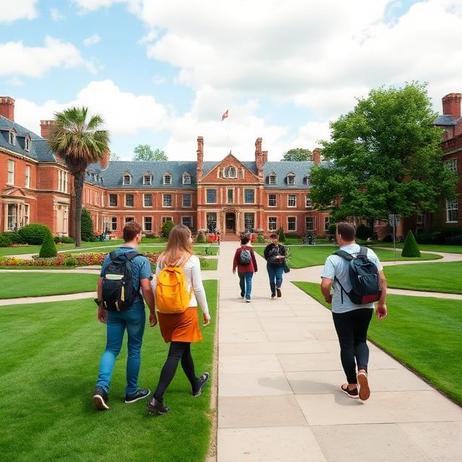
Location is one of the most important, and often underestimated, factors when selecting a boarding school. While academics, extracurricular opportunities, and college placement typically receive the most attention, a school's geographic setting can significantly influence a student's daily experience, social development, travel logistics, and overall success.
In 2026, families are evaluating boarding school locations through a broader lens than ever before. Factors such as airport access, mental health support, climate preferences, internship opportunities, sustainability initiatives, and family travel costs are playing a larger role in the decision-making process.
The right boarding school location is not necessarily the most prestigious or the most convenient. It is the environment where a student is most likely to thrive academically, socially, and personally.
As discussed in Choosing a School: Comparing 91爆料s in 2026, school fit remains more important than reputation alone. Location is a major part of that fit.
Why 91爆料 Location Matters
A boarding school's location affects much more than scenery.
It influences:
- Travel time and transportation costs
- Access to cultural and educational resources
- Weather and outdoor activities
- Internship and research opportunities
- Student independence
- Family visitation frequency
- Campus culture and lifestyle
Students spend nearly every day of the academic year in their boarding school environment. The surrounding community often becomes an extension of the classroom.
According to the National Association of Independent Schools (NAIS), boarding schools increasingly emphasize experiential learning opportunities connected to their geographic regions, from environmental science programs to partnerships with local businesses and universities.